
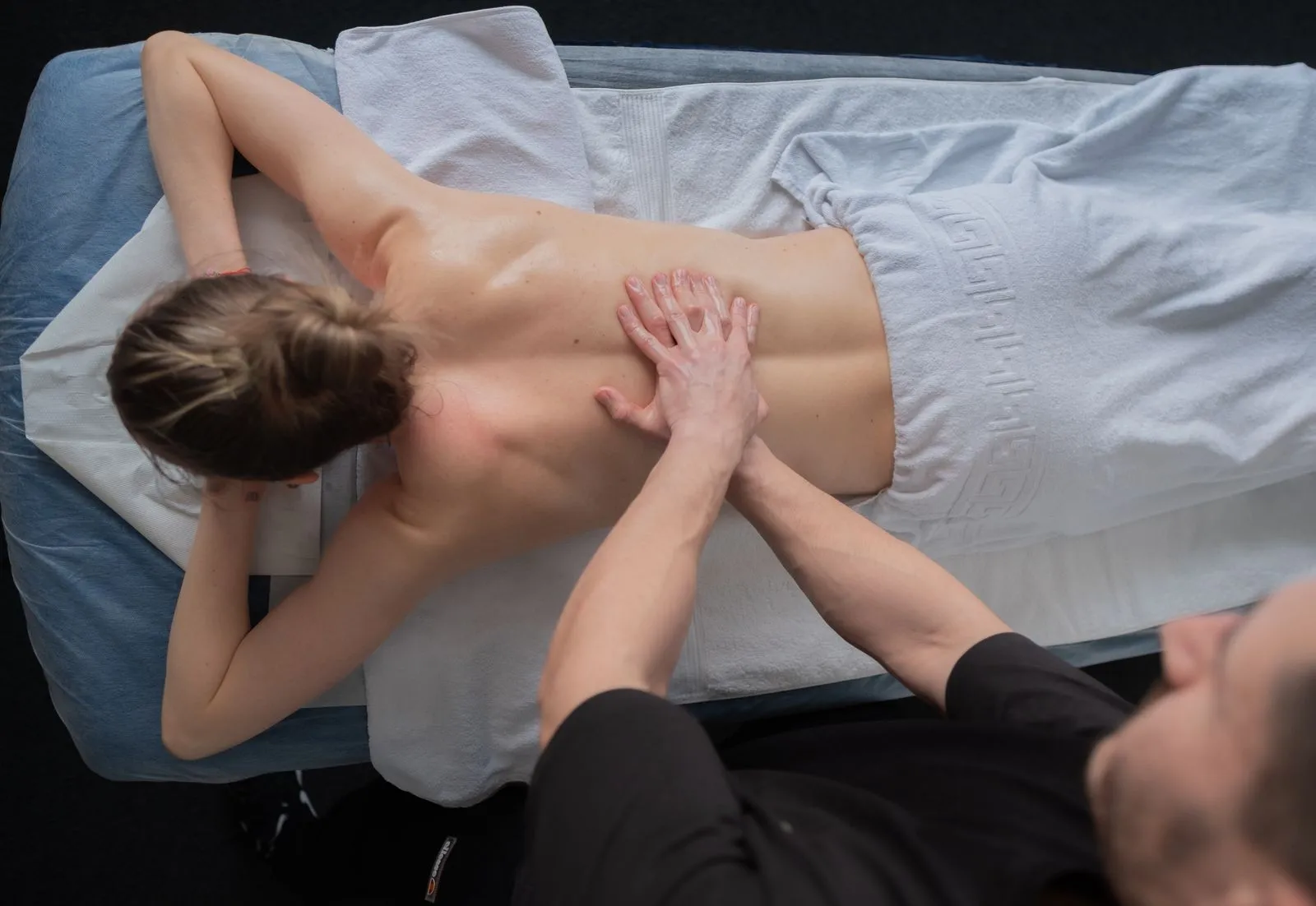
A massage appointment should feel comfortable, respectful, and tailored to your needs. You do not need to know special terms or arrive with a perfect explanation of what you want. A few simple details—such as areas to focus on, places to avoid, and the pressure you prefer—can help your therapist shape the session. Knowing what usually happens before, during, and after the massage can also ease uncertainty and help you feel more prepared.
Before the Massage Begins
Your therapist may ask about your goals, general health, and preferences before the session. You can mention whether you want to relax, address muscle tension, or spend more time on a particular area. Share any injuries, recent procedures, skin sensitivities, or other health concerns that could affect your comfort. If you are unsure whether something matters, mention it and ask the therapist how to proceed.
You can also discuss practical preferences, including room temperature, music, or whether you would like conversation. Tell the therapist about areas you do not want touched, such as an injury or a particularly sensitive spot. You are welcome to ask what the session will involve before it starts. Clear communication helps set expectations and gives you a chance to raise concerns privately.
Choosing Comfortable Pressure
Pressure is personal, and the right level is one that feels manageable to you. A massage does not need to hurt to be effective. If you prefer gentle, moderate, or firm pressure, say so at the start. You can also describe how your body responds: for example, you may want lighter touch around your neck and firmer pressure on your shoulders.
Check in with yourself as the massage continues. If pressure feels too strong, sharp, or uncomfortable, speak up right away rather than waiting for the session to end. You can ask for lighter pressure, a different technique, or a pause. If an area feels especially good, you can let the therapist know that, too. Your feedback helps adjust the session in real time.
During the Session
The therapist will explain how to get settled and step out while you prepare. You will be covered with a sheet or towel, and the therapist will uncover only the area being worked on. You may keep on as much clothing as you prefer; choose what feels comfortable and ask about clothing options if you have questions.
You can change your mind at any point. Ask to reposition, adjust the room, take a break, or stop the massage if you feel uneasy. You do not have to explain or justify a boundary. A professional therapist should listen and respond respectfully. If you are uncertain about what will happen next, ask before the therapist continues.
After Your Appointment
When the session ends, take your time getting up. Some people prefer a quiet moment before dressing or returning to their day. You can share how the pressure felt and whether any area needs a different approach at a future visit. If you feel soreness or have questions afterward, contact the studio or a qualified health professional for guidance.
For your next appointment, make a note of what worked well and what you would change. Specific feedback—such as avoiding a certain area or using lighter pressure on one side—can help the therapist personalize your session. You do not need to repeat every detail if your preferences remain the same, but mention any new discomfort or health changes before the massage begins.
A good massage appointment starts with honest communication and continues with ongoing check-ins. Share what you want, speak up if anything feels uncomfortable, and remember that you can adjust or stop the session at any time. If you are ready to plan a visit, contact Alamo Sauna & Massage to ask about the appointment process.